Unlock the Magic: Playtime's Surprising Benefits
The Surprising Power of Play
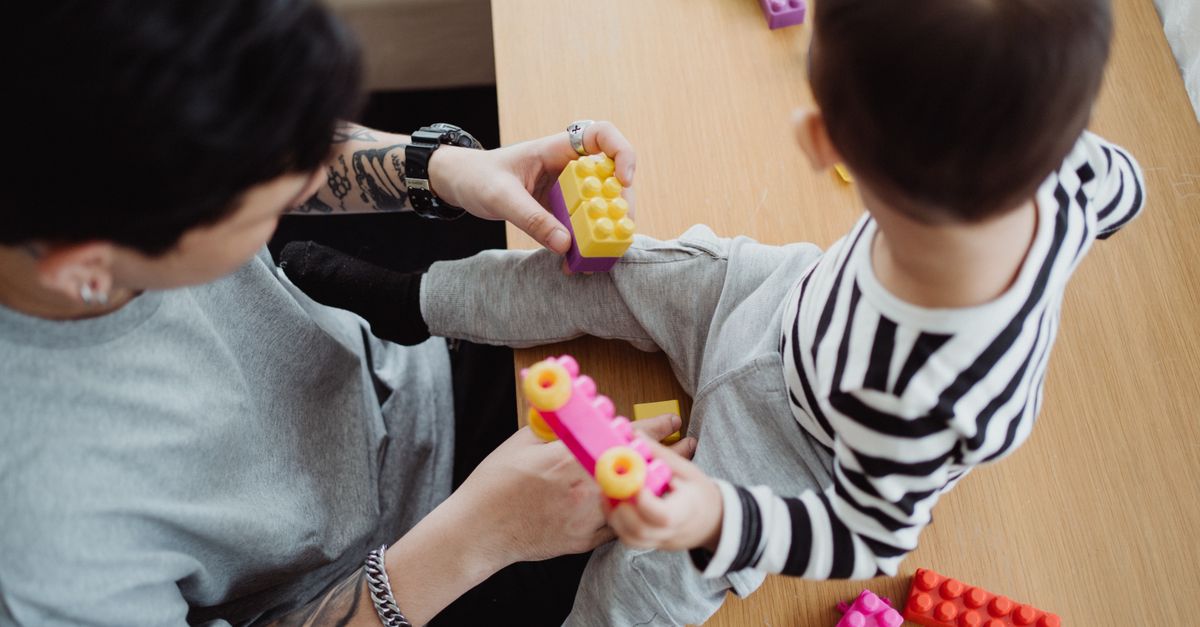
Playtime isn't just for kicks and giggles; it's a remarkable teaching tool that lays the foundation for academic success and emotional resilience. Embracing the playful spirit, children explore the world, learn new skills, and forge connections that enhance their growth in surprising ways.
Advertisement
Playtime: Beyond the Classroom
While classrooms often focus on structured learning, playtime introduces an open-ended, imaginative realm where rules are fluid and creativity reigns. Through play, children build cognitive, social, and emotional skills, bridging the gap between classroom theory and real-world application. The magic lies in its free-spirited nature, a catalyst for organic learning.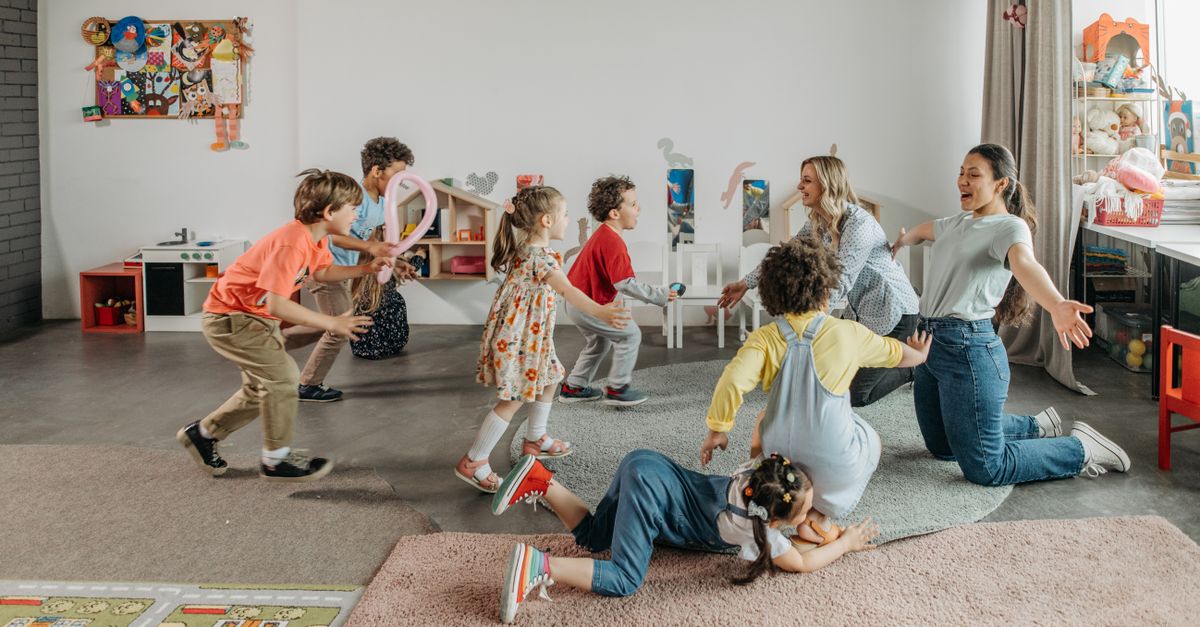
Advertisement
Building Blocks of Brain Development
Scientific research suggests play is pivotal in shaping brain architecture. Engaging in diverse activities promotes neural connections indispensable for critical thinking and problem-solving. The link between playtime and cognitive development offers a compelling argument for letting kids be kids, as they unknowingly construct knowledge one game at a time.
Advertisement
Emotional Intelligence Through Fun
Playtime is the earliest arena for understanding emotions and developing empathy. While role-playing, children navigate social dynamics, manage conflict, and express their feelings. By observing and imitating, they learn what makes others tick, cultivating emotional intelligence that will serve them throughout life.
Advertisement
Teamwork Makes the Dream Work
In a world increasingly geared towards collaboration, play serves as a microcosm of society. Playing games teaches communication, negotiation, and problem-solving within a group. It prepares children for teamwork and leadership roles, subtly equipping them with essential skills for their future job market.
Advertisement
The Innovation Incubator
Einstein once said, ‘Play is the highest form of research.’ Through experimenting during play, children tap into their inner innovators. Their wild ideas and imaginative scenarios foster out-the-box thinking—an attribute invaluable in today’s innovation-driven world. It’s in the sandbox that future inventors build their first prototypes.
Advertisement
Stress Relief: A Buffer Against Pressure
In life's bustling pace, children aren’t immune to stress. Playtime acts as an excellent stress-buster, offering an outlet for expressing bottled-up emotions and gaining a sense of control. From the giggles on a swing to strategic board game victories, playtime balances their mental well-being.
Advertisement
Balancing Structure and Freedom
Aligning playtime with structured learning ensures well-rounded development. While activities like reading and math drills provide foundational skills, play fosters curiosity and joy—a desire to learn expansively. Striking this balance transforms play into a secret weapon, synergizing emotional intelligence with academic achievement.
Advertisement
Conclusion
Harnessing play as a learning medium enriches your child's development, opening doors to a world where creativity, empathy, and innovation flourish. Playtime unravels lessons beyond textbooks, embedding learning deeply and joyfully into your child's life. It isn't merely child's play; it's the keystone of nurturing tomorrow's thinkers. As parents, embracing this magic serves as a vital secret weapon, propelling children's growth and weaving a tapestry of lifelong skills.
Advertisement