The Power of Positive Discipline in Parenting
Introduction
Positive discipline isn't about simply avoiding naughty corners or grounding. It's a parenting approach rooted in respect, communication, and empowerment. Steering away from punitive measures, it seeks to nurture goodness and foster a meaningful connection between parents and children, setting the foundation for their life-long well-being.
Advertisement
Understanding Positive Discipline
Positive discipline revolves around building trust and understanding. Unlike traditional discipline that often employs fear or punishment, positive discipline emphasizes mutual respect. It encourages parents to listen, empathize, and guide their children through constructive dialogue. This approach helps children understand consequences rather than simply fear them.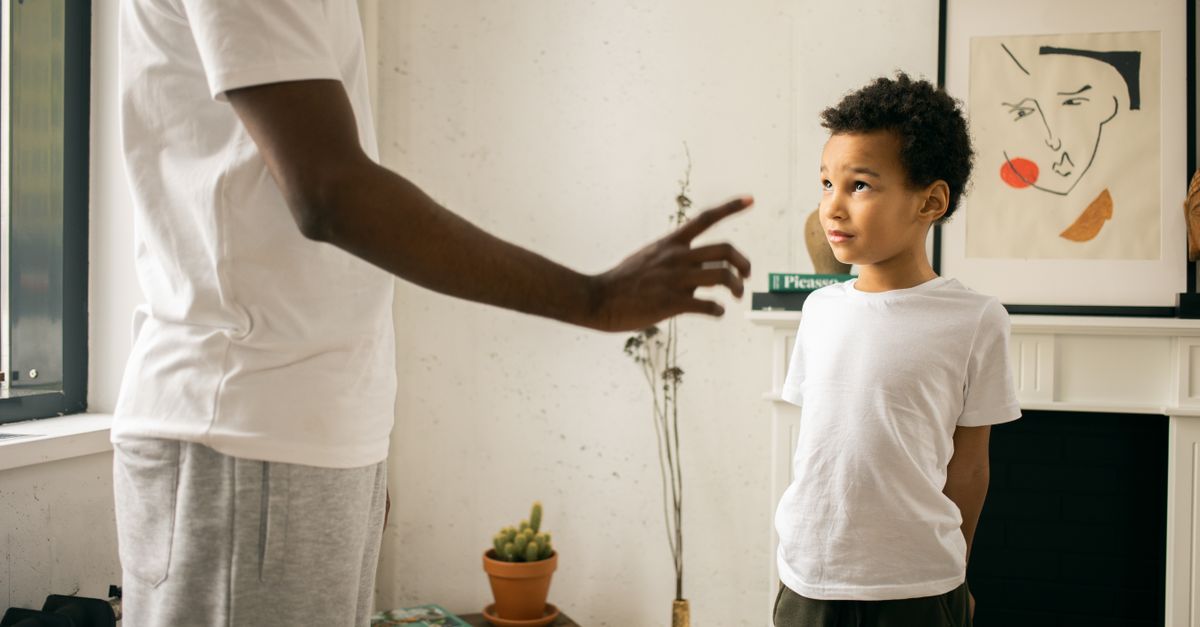
Advertisement
Core Principles
At its heart, positive discipline embraces several core principles. These include kindness and firmness, staying connected, and fostering autonomy. The approach encourages parents to be empathetic yet maintain boundaries, ensuring children feel valued but aware of their limits. Meanwhile, it recognizes the importance of independence, enabling children to make decisions, discover capabilities, and cultivate self-esteem.
Advertisement
Communication is Key
Clear and open communication forms the bedrock of positive discipline. Parents are encouraged to express expectations and boundary limits calmly and clearly. This not only allows children to comprehend rules but also provides them with opportunities to express their feelings. Conversations replace commands, facilitating a two-way street of respect and understanding.
Advertisement
The Role of Encouragement
In the realm of positive discipline, encouragement trumps punishment. Praise prompts repeated good behavior and instills confidence. The focus is on recognizing efforts rather than perfection, reshaping children's motivation from external rewards to intrinsic satisfaction. In doing so, parents nurture a growth mindset, fostering a positive outlook on challenges.
Advertisement
Balancing Kindness and Consistency
While kindness is pivotal in positive discipline, consistency remains equally important. Daily routines and regular check-ins help come full circle, as children begin to appreciate the predictability that rules offer. Consistency doesn’t entail rigidity, but rather a clear understanding of ‘cause and effect’ concepts, helping kids learn to act with propriety and respect.
Advertisement
Incorporating Play
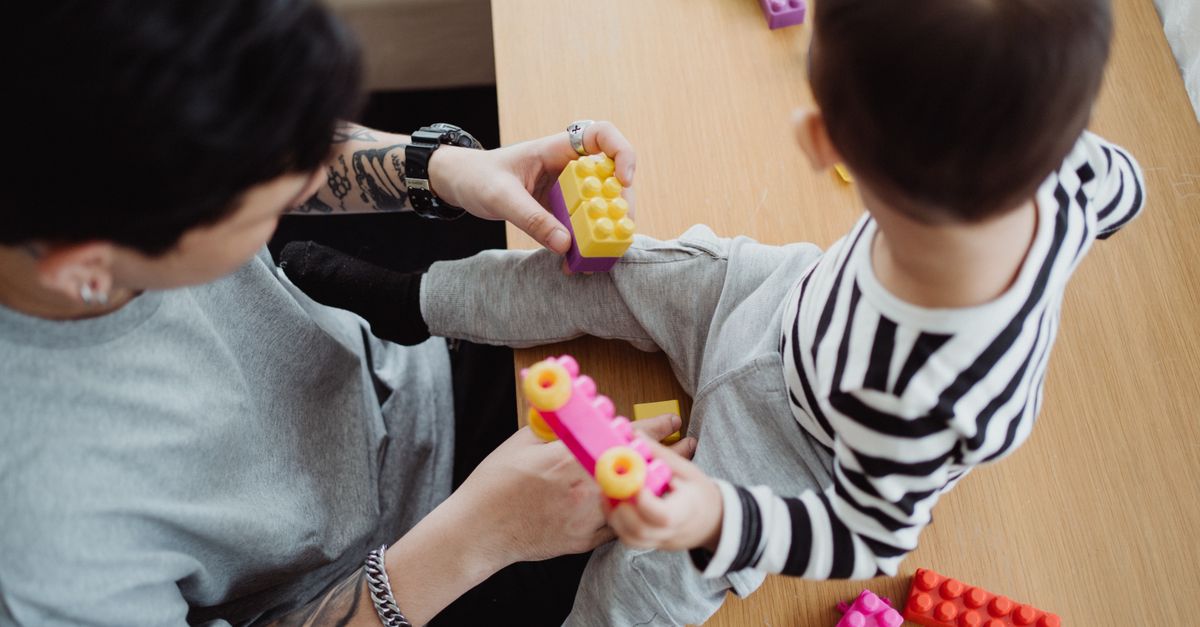
Why should discipline be devoid of fun? Positive discipline interweaves play as an essential component. Using playful interaction and imaginative scenarios, parents can impart moral values and social skills in a lively manner. Playground conflicts present teachable moments where children learn to navigate social dynamics, problem-solve, and manage emotions constructively.
Advertisement
Concluding Thoughts
Positive discipline harnesses kindness, encouragement, and open communication to influence children's behavior constructively. This approach reframes discipline from a deterrent to a nurturing experience, allowing children to internalize values. Ultimately, nurturing goodness through positive discipline lays the groundwork for their future, where mutual respect and loving relationships foster thriving, happy kids.
Advertisement